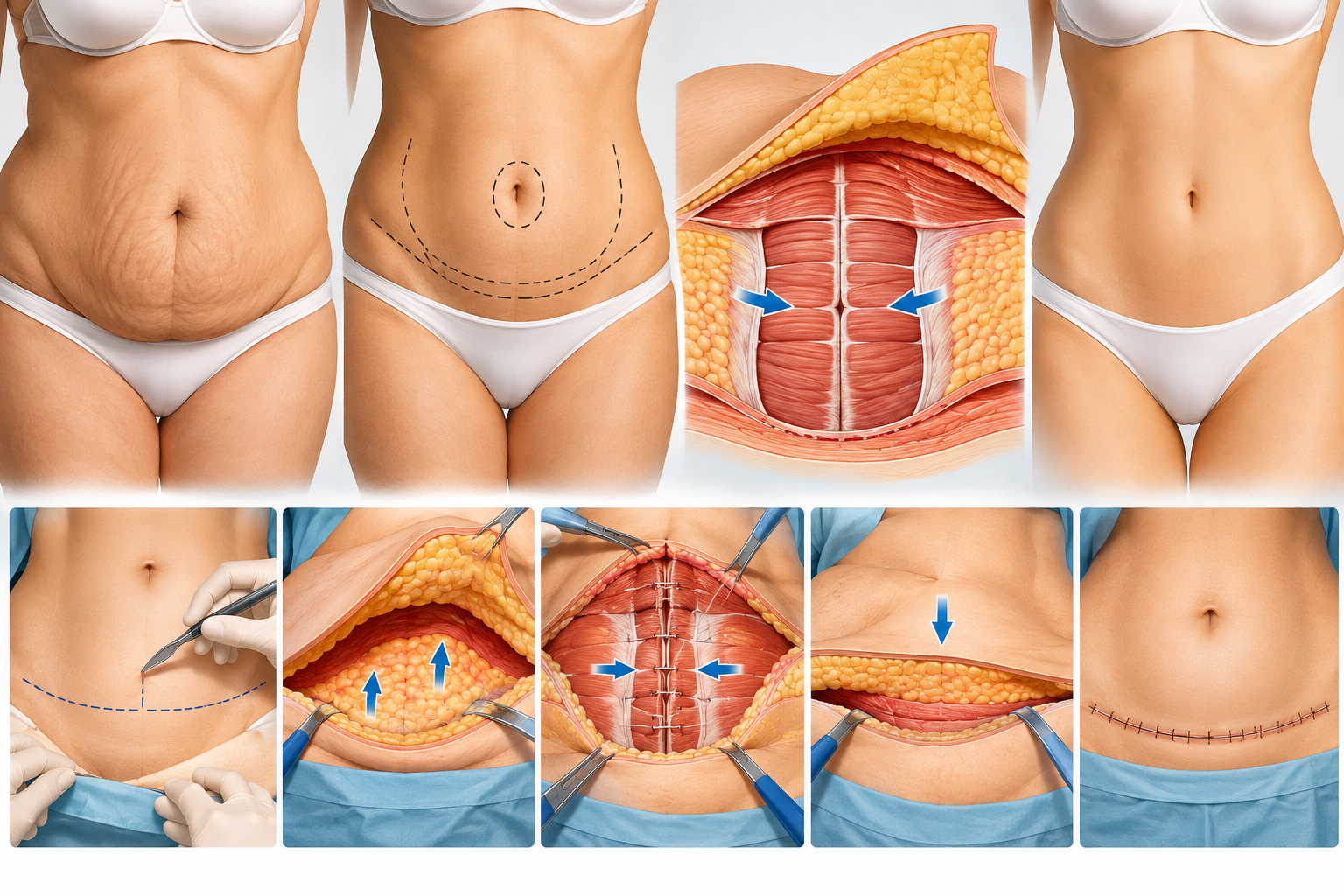
Sagging and looseness in the abdominal area may occur after natural processes such as weight loss or pregnancy. Although regular exercise and a healthy diet support overall body appearance, excess and loose skin cannot always be eliminated through these methods. Tummy tuck surgery (abdominoplasty) is a surgical procedure intended to create a firmer and smoother appearance of the abdomen in such cases.
Why Is Tummy Tuck Surgery Performed?
The main purpose of tummy tuck surgery is to remove excess skin and, when necessary, excess fat from the abdominal area and improve the abdominal contour. Some patients may have separation or looseness of the abdominal muscles. Depending on the patient's condition, the surgeon may also repair or tighten the abdominal wall to create a firmer appearance.
The procedure may be considered particularly in the following situations:
Skin sagging after significant weight loss
Abdominal looseness following pregnancy
Excess skin that has lost its elasticity
Separation or looseness of the abdominal muscles
Desire to improve the overall contour of the abdomen
How Is Tummy Tuck Surgery Performed?
Tummy tuck surgery is generally performed under general anesthesia. The surgeon plans the incision according to the patient's body structure and needs. Usually, an incision is made in the lower abdominal area, positioned so that it can remain within the underwear or bikini line.
Excess skin is removed and, when necessary, the abdominal muscles are repaired or tightened. The position of the belly button may also be adjusted depending on the changes made to the abdominal area. The extent of the procedure varies from person to person.
In some patients, a mini tummy tuck targeting only the lower abdomen may be appropriate, while a full tummy tuck may be preferred when there is more extensive skin sagging. The appropriate technique is determined after a physical examination and surgical assessment.
Is Tummy Tuck the Same as Liposuction?
Tummy tuck surgery and liposuction are not the same procedure. A tummy tuck primarily addresses excess skin and looseness of the abdominal wall. Liposuction is performed to reduce localized deposits of fat in specific areas.
In some patients, the two procedures may be considered as part of the same body-contouring plan. Whether this is appropriate depends on the person's health condition, fat distribution, skin elasticity, and surgical goals.
Who May Be a Candidate for Tummy Tuck Surgery?
Tummy tuck surgery may be considered for adults who are in suitable general health for surgery and who are seeking surgical treatment because of excess skin or looseness in the abdominal area.
Excess abdominal skin may be particularly noticeable in people who have given birth or lost a significant amount of weight. However, a tummy tuck is not a weight-loss procedure. Before surgery, it is generally preferable for the person's weight to be as stable as possible.
People planning a pregnancy should discuss the timing of surgery with their doctor. Since pregnancy may cause the abdominal area to become loose again, the timing of surgery should be planned individually.
What Is the Recovery Process Like?
In the first days after tummy tuck surgery, pain, tightness, swelling, and bruising may occur in the abdominal area. Painkillers and other medications recommended by the doctor may be used.
It is important to follow the surgeon's recommendations during recovery. Avoiding heavy lifting and strenuous physical activities for a certain period may be necessary. The time required to return to daily activities and work varies depending on the extent of the surgery and the individual's recovery.
The use of compression garments, wound care, and regular follow-up appointments as recommended by the surgeon are important parts of the recovery process.
Are There Risks Associated With the Surgery?
As with every surgical procedure, tummy tuck surgery carries certain risks. Complications such as bleeding, infection, fluid accumulation, delayed wound healing, changes in sensation, and scarring may occur.
Smoking can negatively affect wound healing. Therefore, it is important to follow the surgeon's recommendations regarding smoking before and after surgery.
Before deciding on surgery, the person's medical history, medications, existing medical conditions, and expectations should be evaluated by a doctor.
Are the Results of a Tummy Tuck Permanent?
The excess skin removed during tummy tuck surgery is permanently removed. However, major changes in body weight, aging, and particularly pregnancy may change the appearance of the abdominal area again.
Therefore, balanced nutrition, healthy lifestyle habits, and regular physical activity when possible may help maintain the body contour achieved through surgery.
Conclusion
Tummy tuck surgery is a comprehensive body-contouring procedure performed to address excess skin and looseness in the abdominal area following weight loss, pregnancy, or aging. Depending on the person's anatomy, health condition, and expectations, a mini tummy tuck, full tummy tuck, or other body-contouring techniques may be considered.
Anyone considering the procedure should have a consultation with an experienced plastic, reconstructive and aesthetic surgeon and receive detailed information about the potential benefits, risks, scars, and recovery process.
Important: This article is intended for general informational purposes only. Whether tummy tuck surgery is suitable for you can only be determined following a medical examination and individual health assessment.
Related Articles
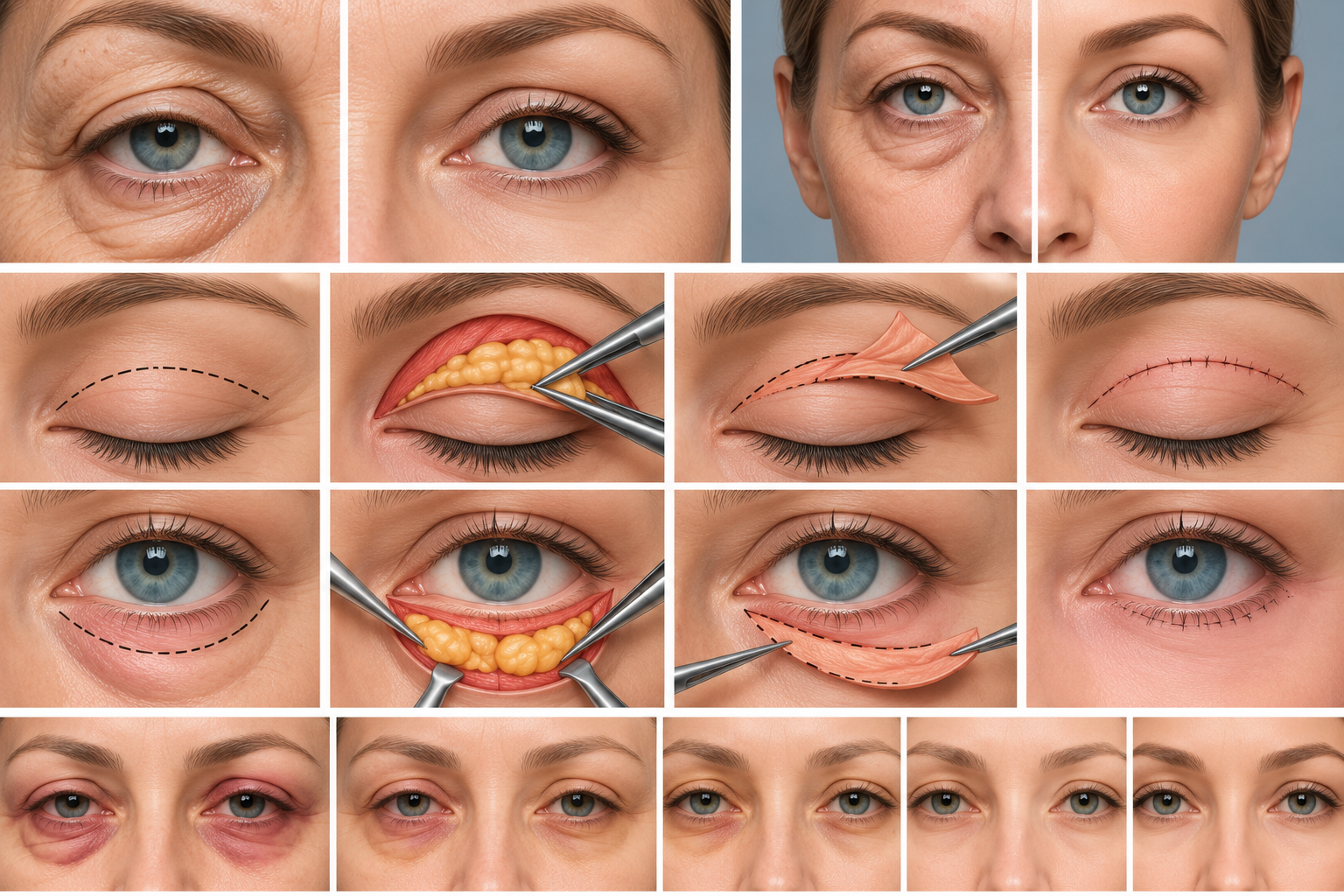
What Is Eyelid Surgery?
Eyelid surgery is a surgical aesthetic procedure aimed at reducing the appearance of excess skin, fat tissue, and sagging in the upper and lower eyelids caused by aging, genetic characteristics, or skin structure. The procedure may help the eye area appear more refreshed and balanced.
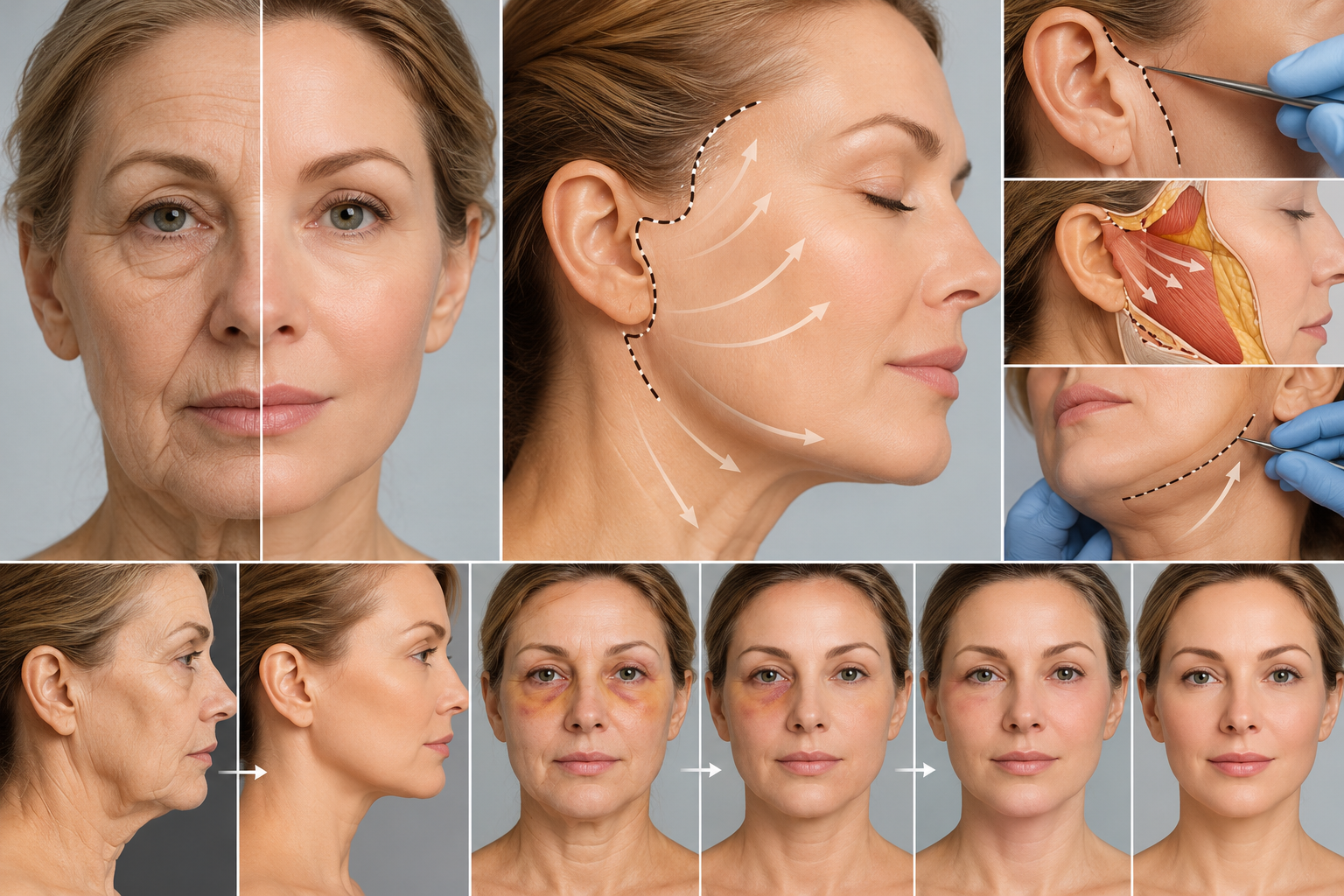
What You Need to Know About Facelift Surgery
Facelift surgery is a surgical aesthetic procedure intended to reduce the appearance of sagging and looseness in the face and neck that occur with aging. Having information about the preoperative evaluation, choosing the appropriate technique, and the recovery process can help patients make more informed decisions about their treatment plan.